In today’s interconnected world, remote access software has become a cornerstone of productivity, enabling seamless collaboration, technical support, and device management across distances. Among the countless options available, UltraViewer has emerged as a standout choice for Windows users, offering a rare combination of simplicity, security, and functionality—all without a price tag. As we enter 2025, UltraViewer continues to evolve, introducing game-changing updates that enhance its performance and user experience. However, to leverage these improvements safely, it’s critical to follow a trusted UltraViewer download process and understand how to use the software effectively. This in-depth guide will take you from official UltraViewer download to advanced usage, equipping you with the skills to master remote control, support, and collaboration like a pro.
1. UltraViewer in 2025: An Overview of Key Updates & Benefits
Before you begin your UltraViewer download, it’s important to understand what sets the 2025 version apart and why it’s the ideal choice for remote desktop needs. Developed by DucFabulous, UltraViewer has built a reputation for being lightweight, reliable, and accessible to users of all technical levels. The 2025 update builds on this foundation with targeted improvements that address user feedback and emerging industry needs.
1.1 Standout Features of 2025 UltraViewer
UltraViewer’s core strength lies in its ability to deliver essential remote desktop features without unnecessary complexity. Here are the highlights of the 2025 version:
- Military-Grade Security: All remote sessions, file transfers, and communications are protected by 256-bit AES encryption—an industry standard for data security . The software also includes captcha verification and brute-force protection, which blocks access for 5-30 minutes after multiple incorrect password attempts .
- Blazing-Fast Performance: The 2025 update optimizes connection speed by 8-20 times compared to older versions, with significantly reduced CPU usage (saving 2-3 times more system resources) . This makes UltraViewer suitable for low-spec computers and slow internet connections.
- High-Quality Screen Rendering: Support for up to 65,000 colors ensures that remote screens are displayed with clarity, making it easy to troubleshoot technical issues or collaborate on visual projects .
- Unattended Access: Configure UltraViewer to start automatically with Windows and set a custom password for unattended access—perfect for managing remote servers, home computers, or office devices without on-site presence .
- Multi-Monitor Management: Seamlessly switch between multiple remote monitors with a single click or view all monitors at once, eliminating the frustration of misaligned mouse positions across displays .
- Session Management Tools: Record remote sessions for training or auditing, capture screenshots for documentation, and use built-in chat/voice calls to communicate with remote users in real time .
- Cross-Windows Compatibility: Works flawlessly on all Windows versions, from legacy systems like Windows XP to the latest Windows 11 and Windows Server editions .
1.2 2025 Update Highlights
The 2025 UltraViewer update focuses on refining existing features and addressing pain points reported by users:
- Stable Connection Infrastructure: A new parallel server model ensures that if one server goes down, UltraViewer automatically connects to an alternative server, preventing session drops .
- Improved Video Playback: Fixed issues with resuming recorded sessions and added the ability to jump to specific timestamps in video recordings .
- Enhanced Installation Experience: Upgraded to Inno Setup Compiler 6, resolving previous installation bugs and adding support for Vietnamese setup language .
- DPI Compatibility Fixes: Resolved UI glitches in the address book, chat window, and client list caused by DPI settings above 150%, ensuring a smooth experience on high-resolution displays .
- Language Expansion: Updated language files for Croatian, Turkish, Swedish, and Indonesian, making UltraViewer more accessible to global users .
These features and updates make UltraViewer a versatile tool for personal use (e.g., helping family with tech issues) and professional scenarios (e.g., IT support, remote team collaboration). However, to enjoy these benefits without security risks, a proper UltraViewer download from the official website is non-negotiable.
2. Official UltraViewer Download: Step-by-Step Guide for 2025
The internet is rife with fake software downloads that distribute malware, spyware, or outdated versions of popular tools. When it comes to UltraViewer download, trusting only the official channel is the best way to protect your device and data. Below is a detailed guide to downloading the latest 2025 version safely and efficiently.
2.1 System Requirements for UltraViewer
Before starting your UltraViewer download, ensure your Windows computer meets the minimum specifications. UltraViewer is lightweight, so even older devices should qualify:
- Operating System: Windows XP, Windows 7, Windows 8/8.1, Windows 10, Windows 11, or Windows Server (any edition)
- Processor: 1 GHz or higher (dual-core recommended for optimal performance)
- RAM: 2 GB or more
- Free Storage: At least 100 MB
- Internet Connection: Stable broadband or mobile data (for remote sessions)
Note: As of 2025, UltraViewer does not support macOS, Linux, Android, or iOS. The development team is working on an Android version, but no release date has been announced—check the official website for updates .
2.2 Step-by-Step UltraViewer Download Process
Follow these steps to download the official 2025 version of UltraViewer:
- Open Your Browser: Launch any modern web browser (Chrome, Microsoft Edge, Mozilla Firefox, etc.). Avoid using outdated browsers like Internet Explorer, as they may not support the official download page.
- Navigate to the Official Download Link: Type or paste the official UltraViewer download URL into your browser’s address bar: https://ultraviewer-cn.com. This is the only verified source for the latest, secure version of UltraViewer.
- Initiate the Download: The official website will automatically detect your Windows version (32-bit or 64-bit) and display a prominent “Download UltraViewer” button. Click this button to start the download. The installation file is only 3.5 MB, so the process should take 10-30 seconds (depending on your internet speed) .
- Locate the Setup File: Once the download is complete, find the file in your browser’s download folder. The default filename is “UltraViewer_Setup.exe”—do not open files with different names (e.g., “UltraViewer_Download.exe” or “UltraViewer_Setup.zip”), as these may be malicious .
2.3 Critical UltraViewer Download Safety Tips
To avoid scams and malware during your UltraViewer download, keep these precautions in mind:
- Never Trust Third-Party Sites: File-sharing platforms, unknown blogs, and pop-up ads often distribute pirated UltraViewer versions with bundled malware. Stick to https://ultraviewer-cn.com for safety .
- Check for HTTPS: Ensure the download page URL starts with “https://” (not “http://”)—this indicates a secure connection. The official website also has a padlock icon in the address bar, confirming its authenticity.
- Scan the File (Optional): If you’re unsure, scan the downloaded setup file with your antivirus program before running it. Reputable antivirus tools will recognize the official UltraViewer file as safe .
- Avoid “Download Accelerators”: Some sites may prompt you to install a download manager to speed up the process. These are unnecessary—UltraViewer’s small file size means no accelerator is needed, and such tools may carry malware.
By following these steps, you can complete a safe UltraViewer download and proceed to installation with peace of mind.
3. UltraViewer Installation: A Comprehensive Walkthrough
Once you’ve successfully completed your UltraViewer download, the next step is installation. UltraViewer’s setup process is designed to be user-friendly, but following these detailed steps will ensure a smooth experience with no errors.
3.1 Step-by-Step Installation Guide
- Run the Setup File: Locate the “UltraViewer_Setup.exe” file in your download folder and double-click it. If Windows displays a User Account Control (UAC) prompt asking for permission to run the file, click “Yes” (you need administrator privileges to install software) .
- Select Your Preferred Language: The setup wizard will open with a language selection screen. UltraViewer supports multiple languages, including English, Vietnamese, Turkish, and Swedish. Choose your language and click “OK” .
- Review and Accept the License Agreement: Read the end-user license agreement (EULA) carefully. To continue with the installation, check the box that says “I accept the terms of the license agreement” and click “Next” .
- Choose the Installation Directory: By default, UltraViewer will be installed in “C:\Program Files\UltraViewer”. If you want to install it in a different location (e.g., D:\Software), click “Browse” and select a new folder. Ensure the target drive has at least 100 MB of free space, then click “Next” .
- Customize Shortcuts: Decide whether you want to create a desktop shortcut and/or add UltraViewer to the Start Menu. These options make it easier to launch the software later—we recommend keeping both checked. Click “Next” to proceed.
- Start the Installation: Review your settings (language, installation path, shortcuts) to ensure they’re correct. Click “Install” to begin copying files to your computer. A progress bar will show how much of the installation is complete—this takes 1-2 minutes .
- Launch UltraViewer: When the installation is finished, the setup wizard will ask if you want to launch UltraViewer immediately. Keep the “Launch UltraViewer” box checked and click “Finish”. The software will open automatically, and you’ll see the main interface .
3.2 Post-Installation Configuration
After launching UltraViewer for the first time, take a few minutes to configure basic settings to optimize your experience:
- Familiarize Yourself with the Interface: The main window has two key sections:
- Your ID & Password: This is your device’s unique identifier and temporary password. Share these with others if you want them to control your computer .
- Partner ID & Password: Enter the ID and password of the remote computer you want to control here .
- Set Up Unattended Access (Optional): If you need to access the computer remotely without someone being present:
- Click the “Settings” icon (gear) in the top-right corner.
- Go to “Options” > “Access”.
- Check “Run UltraViewer with Windows” and “Set custom password for unattended access”.
- Enter a strong password (6-8 characters, mixing numbers and letters) and click “Apply” .
- Adjust Display & Performance Settings:
- Go to “Settings” > “Options” > “Display”.
- Select your preferred color quality (higher quality = better visuals but more data usage).
- Check “Show remote cursor” to see the remote user’s mouse movements (useful for collaboration) .
- Configure Notifications:
- Go to “Settings” > “Options” > “Notifications”.
- Choose whether to receive notifications when someone connects to your computer, when a session ends, or when updates are available.
3.3 Troubleshooting Common Installation Errors
If you encounter issues during installation after your UltraViewer download, here are solutions to the most frequent problems:
- Setup File Won’t Run:
- Ensure you’re using an administrator account. Right-click the setup file and select “Run as administrator”.
- Disable your antivirus temporarily (if it’s blocking the file) and try again. Remember to re-enable it after installation .
- Installation Fails with “Missing DLL” Error:
- This error occurs when your computer lacks the required Visual C++ runtime libraries. Download and install the latest Visual C++ Redistributable from Microsoft’s website, then restart the UltraViewer installation .
- UltraViewer Doesn’t Launch After Installation:
- Check if the installation path contains non-English characters (e.g., Chinese, special symbols). Uninstall UltraViewer and reinstall it to a path with only English letters and numbers.
- Restart your computer to resolve any temporary system issues .
- Insufficient Storage Space:
- Free up space on your hard drive by deleting temporary files, unused apps, or large media files. UltraViewer only requires 100 MB, so a small cleanup should suffice .
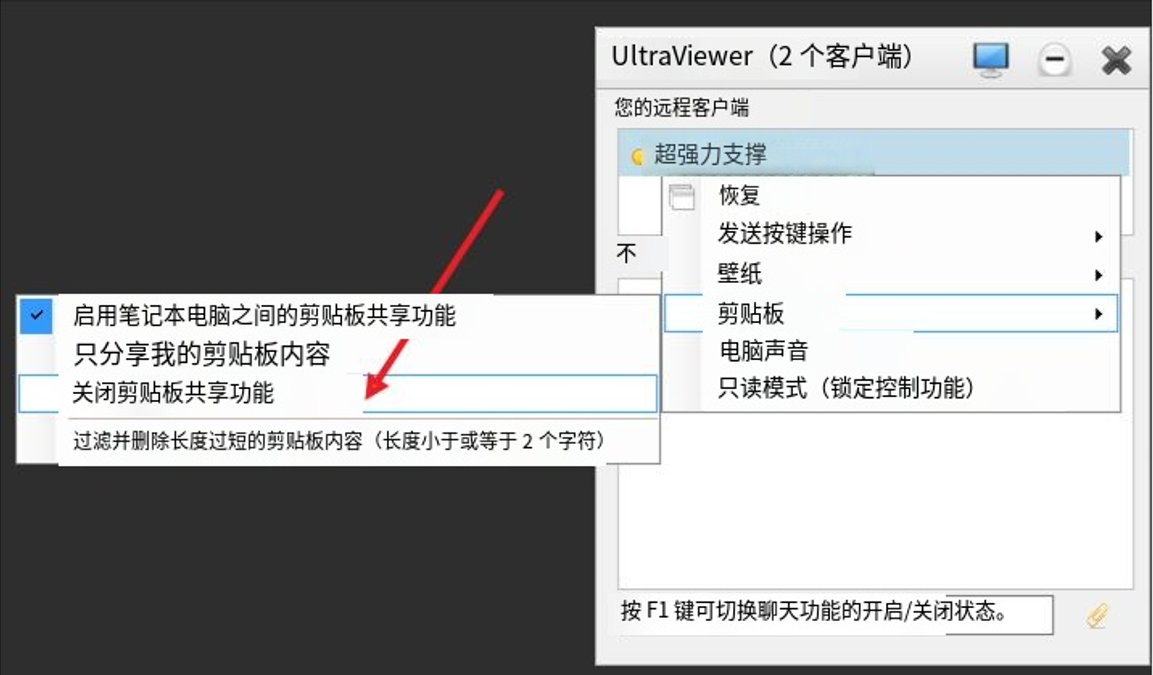
- Free up space on your hard drive by deleting temporary files, unused apps, or large media files. UltraViewer only requires 100 MB, so a small cleanup should suffice .
4. Essential UltraViewer Usage Tutorials for 2025
Now that you’ve completed your UltraViewer download and installation, let’s dive into the core functions you’ll use most often. These step-by-step tutorials cover remote control, file transfer, screen sharing, and more—perfect for beginners and intermediate users alike.
4.1 How to Control a Remote Computer
Controlling another Windows computer is UltraViewer’s primary function. Here’s how to do it in 2025:
- Prepare the Remote Computer (Host):
- The host user must launch UltraViewer and share their “Your ID” and “Password” with you. This password is temporary and changes each time UltraViewer is restarted (unless unattended access is set up) .
- If the host is using unattended access, they only need to share their “Your ID” (you’ll use the custom password they set) .
- Connect from Your Computer (Controller):
- Open UltraViewer and enter the host’s “Partner ID” in the top field.
- Enter the host’s password in the bottom field (temporary or custom unattended password).
- Click the blue “Connect” button (arrow icon) to initiate the session .
- Navigate the Remote Session:
- Once connected, a new window will open showing the host’s screen. You can control the mouse and keyboard just like you would on your own computer .
- Use the toolbar at the top of the remote screen window to access key features:
- Full Screen: Click the “Full Screen” button to expand the remote screen to your entire display. Press Esc to exit full screen .
- Screenshot: Click the camera icon to capture a screenshot of the remote screen. The image will be saved to your default pictures folder .
- Record Session: Click the “Record” button to start recording the remote session. Click it again to stop—videos are saved as MP4 files .
- Switch Monitors: Left-click the “Switch Monitor” button to toggle between multiple remote monitors. Right-click to view all monitors at once .
- Chat: Click the speech bubble icon to open the chat window and send messages to the host .
- End the Session:
- To disconnect, click the “X” button in the top-right corner of the remote screen window.
- Confirm by clicking “Yes” when prompted. The host will receive a notification that the session has ended .
4.2 How to Transfer Files Securely
UltraViewer’s file transfer feature allows you to send and receive files between local and remote devices without using email or cloud storage. Here’s how to use it:
- Transfer Files During a Remote Session:
- While connected to the remote computer, click the “File Transfer” button (folder icon) in the toolbar.
- A split window will open: your local files are on the left, and the remote computer’s files are on the right .
- Send a file to the remote computer: Select the file/folder on the left (local), click “Send”, and choose a destination folder on the remote computer (right).
- Receive a file from the remote computer: Select the file/folder on the right (remote), click “Receive”, and choose a destination folder on your local computer (left).
- Monitor the transfer progress via the bar at the bottom of the window. You’ll get a notification when the transfer is complete .
- Transfer Files Without Remote Control:
- If you don’t need to control the remote computer (only transfer files), open UltraViewer and enter the host’s ID and password.
- Click the “File Transfer” button (instead of “Connect”) to open the file transfer window directly.
- Follow the same steps as above to send or receive files .
4.3 How to Share Your Screen (No Control)
If you want to show your screen to a remote user without giving them control (e.g., for presentations or training), use UltraViewer’s screen sharing feature:
- Prepare Your Computer (Sharer):
- Launch UltraViewer and share your “Your ID” and “Password” with the remote user (viewer).
- Go to “Settings” > “Options” > “Security” and uncheck “Allow remote control”. This ensures the viewer can only see your screen, not control it .
- Viewer Connects:
- The remote user enters your ID and password in their UltraViewer and clicks “Connect”.
- They will see your screen in real time but cannot move the mouse or type .
- Enhance the Presentation:
- Use the toolbar to capture screenshots or record the presentation.
- Use the chat feature to answer questions from the viewer.
- Click “Pause Sharing” to temporarily stop the viewer from seeing your screen (e.g., to switch to a private document).
4.4 How to Use Chat & Voice Calls
Clear communication is key during remote support or collaboration. UltraViewer’s built-in chat and voice features eliminate the need for separate apps like Zoom or WhatsApp:
- Chat During a Session:
- Click the “Chat” button (speech bubble) in the toolbar of the remote screen window.
- Type your message in the input field and press Enter to send it. The host will see the message in their UltraViewer chat window .
- Use hotkey F1 to toggle the chat window on/off quickly while controlling the remote computer .
- Drag and drop files into the chat window to send them (alternative to the file transfer tool) .
- Voice Calls:
- For real-time voice communication, click the “Voice Call” button (microphone icon) in the toolbar.
- Ensure your microphone and speakers are enabled. UltraViewer uses encrypted voice transmission to protect your privacy .
- To end the call, click the “End Call” button (red phone icon).
5. Advanced UltraViewer Techniques for Power Users
Once you’ve mastered the basics, these advanced techniques will help you get even more value from your UltraViewer download. These tips are especially useful for IT professionals, businesses, and frequent remote users looking to streamline their workflow.
5.1 Mastering Unattended Access
Unattended access is one of UltraViewer’s most powerful features, allowing you to connect to a remote computer without anyone being present. Here’s how to set it up for maximum security and convenience:
- Configure Unattended Access on the Host:
- Open UltraViewer and go to “Settings” > “Options” > “Access”.
- Check “Run UltraViewer with Windows” (ensures the software starts automatically when the computer boots).
- Check “Set custom password for unattended access” and create a strong password (avoid simple passwords like “123456”—use a mix of numbers, letters, and symbols) .
- Optional: Go to “Settings” > “Options” > “Security” and check “Hide UltraViewer icon in system tray” to keep the software running discreetly.
- Access the Remote Computer Anytime:
- On your local computer, open UltraViewer and enter the host’s “Partner ID” and your custom unattended password.
- Click “Connect” to access the remote computer immediately. No need to contact the host for a temporary password .
- Secure Unattended Access:
- Change the unattended password regularly (every 3-6 months) to prevent unauthorized access.
- Enable “Brute-force protection” (enabled by default) to block repeated incorrect password attempts .
- Avoid using the same unattended password for multiple computers.
5.2 Managing Multiple Remote Sessions Simultaneously
If you need to support multiple clients or manage several remote computers, UltraViewer allows you to run multiple sessions at once:
- Open a New Session:
- While already connected to one remote computer, click “File” > “New Window” in UltraViewer.
- A new UltraViewer window will open. Enter the ID and password of the second remote computer and click “Connect” .
- Repeat this process to open additional sessions (no limit to the number of sessions).
- Organize Sessions:
- Rename each session window to avoid confusion. Right-click the window title bar and select “Rename”, then enter a descriptive name (e.g., “Client X – Accounting PC”).
- Use the Windows taskbar to switch between sessions quickly.
- Close sessions you’re not using to free up system resources.
5.3 Optimizing UltraViewer for Slow Internet
If you’re working with a weak or unstable internet connection, these tips will help you maintain a usable remote session:
- Reduce Screen Quality: Go to “Settings” > “Options” > “Display” and select “256 Colors” or “16-bit Colors” to reduce data transfer.
- Disable Wallpaper & Visual Effects: On the remote computer, right-click the desktop > “Personalize” > “Background” > select “Solid color”. Disable visual effects by going to “System” > “Advanced system settings” > “Performance” > “Settings” > “Adjust for best performance”.
- Limit Bandwidth Usage: Ask the host to close apps that consume bandwidth (e.g., Netflix, Spotify, cloud sync tools) during the session.
- Use Wired Internet: If possible, connect both devices to the internet via Ethernet cables (more stable than Wi-Fi).
5.4 Using UltraViewer for IT Support & Training
UltraViewer is an excellent tool for IT professionals providing remote support or training. Here are specialized tips for these use cases:
- Session Recording for Training: Record remote training sessions to create tutorials or reference materials for users. Click the “Record” button at the start of the session and save the video for later use .
- Annotation Tools: Use the built-in annotation feature (go to “Tools” > “Annotation”) to draw on the remote screen, highlight important elements, or guide users through steps .
- Remote Restart & Logoff: If the remote computer needs a restart, go to “Tools” > “Remote Restart”. You can also log off or switch users via the same menu .
- Audit Logs: For business use, enable session logs to track when sessions start/end, who connected, and what actions were taken. Go to “Settings” > “Options” > “Logs” > “Enable session logging”.
6. UltraViewer vs. Competitors: Why It’s the Top Choice in 2025
With so many remote desktop tools available, it’s important to understand how UltraViewer compares to its main competitors. This section will help you see why UltraViewer is the best choice for most users—especially when combined with a secure UltraViewer download from the official website.
6.1 UltraViewer vs. TeamViewer
TeamViewer is one of the most well-known remote desktop tools, but UltraViewer offers several key advantages:
- Cost: UltraViewer is completely free for both personal and commercial use, with no restrictions on session duration or features. TeamViewer’s free version is limited to non-commercial use and will prompt you to upgrade to a paid license after a few uses .
- Lightweight: UltraViewer’s installation file is 3.5 MB, while TeamViewer’s is over 200 MB. UltraViewer also uses significantly less CPU and RAM, making it ideal for older computers or devices with limited resources .
- Ease of Use: UltraViewer has a simpler, more intuitive interface with fewer menus and settings. TeamViewer offers more advanced features but can be overwhelming for beginners .
- Security: Both tools offer encryption, but UltraViewer’s captcha verification and brute-force protection add extra layers of security that TeamViewer lacks .
6.2 UltraViewer vs. AnyDesk
AnyDesk is another popular remote desktop tool, but UltraViewer outperforms it in key areas:
- Compatibility: UltraViewer supports all Windows versions, including legacy systems like Windows XP and Windows Server. AnyDesk has limited support for older Windows versions and no support for Windows XP .
- File Transfer: UltraViewer allows unlimited file transfers with drag-and-drop functionality in the chat window. AnyDesk’s free version has file size limits and requires navigating through additional menus for transfers .
- Multi-Monitor Support: UltraViewer’s one-click monitor switching is more user-friendly than AnyDesk’s multi-monitor management, which requires adjusting settings in the toolbar .
- Unattended Access: UltraViewer’s unattended access setup is straightforward (one-time password configuration). AnyDesk requires creating a “My AnyDesk” account and linking devices, which adds extra steps .
6.3 UltraViewer vs. UltraVNC
UltraVNC is an open-source remote desktop tool, but it falls short of UltraViewer in terms of user experience:
- Setup Complexity: UltraVNC requires configuring port forwarding and firewall settings, which is technical and time-consuming. UltraViewer works out of the box with no advanced setup .
- Security: UltraVNC’s default security settings are weaker than UltraViewer’s, requiring manual configuration of encryption and passwords. UltraViewer uses strong encryption by default .
- Performance: UltraViewer’s 2025 update offers faster connection speeds and lower CPU usage compared to UltraVNC, which can be laggy on slow internet .
For most users—whether casual or professional—UltraViewer’s combination of free access, ease of use, security, and performance makes it the superior choice. And with a secure UltraViewer download from https://ultraviewer-cn.com, you get all these benefits without compromising on safety.
7. Troubleshooting Common UltraViewer Issues in 2025
Even with a smooth UltraViewer download and installation, you may encounter occasional problems. Below are solutions to the most common issues users face, along with tips to prevent them.
7.1 Connection Problems
- Issue: “Failed to Connect to Server” error.
- Solutions:
- Check internet connectivity on both devices. Restart your router if the connection is unstable.
- Ensure both devices are running the latest version of UltraViewer (update via “Help” > “Check for Updates”).
- Disable firewalls or antivirus programs on both devices (or add UltraViewer to the allowed list) .
- Verify the host’s ID and password are correct (passwords are case-sensitive).
- Solutions:
- Issue: Session disconnects randomly.
- Solutions:
- Switch to a wired internet connection to reduce packet loss.
- Close bandwidth-heavy apps (e.g., video streaming, cloud downloads) on both devices.
- Disable power-saving mode on the host computer (prevents it from sleeping during the session) .
- Check if the host computer has pending Windows updates (install updates and restart before the session).
- Solutions:
7.2 Performance Issues
- Issue: Remote screen is laggy or unresponsive.
- Solutions:
- Reduce screen quality in UltraViewer settings (go to “Settings” > “Options” > “Display” > select lower color quality).
- Close background apps on the host computer to free up CPU and RAM .
- Lower the remote screen resolution (go to “Settings” > “System” > “Display” on the host computer).
- Solutions:
- Issue: High CPU usage on the host computer.
- Solutions:
- Update UltraViewer to the latest version (2025 updates reduced CPU usage significantly) .
- Disable session recording or voice chat if not needed.
- Ensure the host computer’s graphics card drivers are up to date.
- Solutions:
7.3 Security & Password Issues
- Issue: Can’t remember the unattended access password.
- Solution: On the host computer, open UltraViewer > “Settings” > “Options” > “Access”. Uncheck “Set custom password for unattended access”, click “Apply”, then recheck the box and set a new password .
- Issue: “Suspicious Activity” block (brute-force protection).
- Solution: UltraViewer blocks access for 5-30 minutes after multiple incorrect password attempts. Wait for the block to expire, then enter the correct password. If you’re the legitimate user, ensure you’re not typing the password incorrectly (check for caps lock) .
7.4 File Transfer Issues
- Issue: File transfer fails or is slow.
- Solutions:
- Compress large files into ZIP folders before transferring to reduce size.
- Ensure the destination folder on the remote computer has write permissions (the host may need to grant access).
- Avoid transferring multiple large files simultaneously—transfer one at a time .
- Solutions:
8. Conclusion: Elevate Your Remote Experience with Official UltraViewer Download
UltraViewer has established itself as a leading remote desktop tool in 2025, offering an unbeatable combination of simplicity, security, and performance. Whether you’re a casual user helping friends and family, an IT professional providing technical support, or a business managing remote teams, UltraViewer delivers the features you need without the cost or complexity of competitors.
The foundation of a safe and successful UltraViewer experience is a secure UltraViewer download from the official website. By visiting https://ultraviewer-cn.com, you gain access to the latest 2025 version—complete with enhanced security, faster connections, and improved compatibility—while avoiding the risks of malware and outdated software from third-party sites.
With this comprehensive guide, you now have the knowledge to complete your UltraViewer download, install the software, and master both basic and advanced features. From remote control and file transfer to unattended access and performance optimization, UltraViewer empowers you to stay connected, productive, and in control—no matter where you are.
Don’t settle for subpar remote desktop tools or risky downloads. Visit https://ultraviewer-cn.com today to complete your official UltraViewer download and join millions of users who trust UltraViewer for their remote access needs in 2025. With UltraViewer, remote work, support, and collaboration have never been easier or more secure.