Ultimate UltraViewer Tutorial 2025: Safe Download from Official Site & Step-by-Step Usage Tips for Beginners
For beginners venturing into remote access tools, finding a reliable, easy-to-use solution can be overwhelming. UltraViewer has emerged as a top choice for new users, thanks to its straightforward interface, zero learning curve, and robust functionality—all available for free. However, the journey to seamless remote collaboration starts with a safe UltraViewer download from the official website. Many beginners fall victim to untrusted third-party platforms, leading to malware infections, missing features, or frustrating technical issues. This beginner-friendly tutorial will guide you through the official UltraViewer download process, simple installation steps, and essential usage tips, helping you master remote access in no time—even if you have no prior experience.
I. Why Beginners Must Choose Official UltraViewer Download
As a beginner, you may prioritize simplicity and affordability, but security and reliability should never be compromised. The official UltraViewer download from https://ultraviewer-cn.com offers three key benefits tailored to new users:
(1) Safe and Trustworthy: No Hidden Risks
Beginners often lack the technical knowledge to detect malicious software, making them easy targets for third-party download sites. These platforms may bundle UltraViewer with adware that bombards your screen with pop-ups, or spyware that steals your personal information. In contrast, the official website provides a 100% clean installation package, free from any hidden programs. UltraViewer’s official version uses advanced encryption to protect your remote sessions and data, ensuring you can use the tool with confidence—whether you’re accessing your own devices or receiving support from others.
(2) Simple and Intuitive: Perfect for Beginners
UltraViewer’s design prioritizes ease of use, and the official download process reflects that. You won’t encounter complex setup wizards or confusing options—just a few clicks to install and launch the software. The main interface displays only the essential features (ID, password, connect button), so you won’t feel overwhelmed by a cluttered dashboard. Additionally, the official website offers beginner-friendly tutorials, video guides, and a FAQ section to answer common questions, making your learning journey smooth and stress-free.
(3) Free and Full-Featured: No Compromises
Unlike many "free" remote tools that restrict core features (e.g., limited session time, small file transfer limits), the official UltraViewer download offers full functionality at no cost. You can enjoy unlimited remote control, high-speed file transfer, screen sharing, and voice chat without paying a penny. This is ideal for beginners who want to test the tool’s capabilities before investing in a premium plan (if needed). The free version also receives automatic updates, ensuring you always have access to the latest features and security patches.
II. Beginner-Friendly UltraViewer Download & Installation: Step-by-Step (2025)
The official UltraViewer download and installation process is designed for users with no technical background. Below is a detailed guide for Windows (the most popular platform for beginners) and simplified steps for macOS, Android, and iOS.
(1) Windows Desktop (Windows 10/11): Step-by-Step for Beginners
Windows is the easiest platform to install UltraViewer, making it perfect for first-time users. Follow these simple steps:
Step 1: Visit the Official Website
Open your browser (we recommend Microsoft Edge, which comes pre-installed on Windows) and type https://ultraviewer-cn.com into the address bar. Press Enter to navigate to the homepage. You’ll see a clean, user-friendly interface with large buttons and clear text—no jargon or confusing menus.
Step 2: Start the Download
Look for the big blue button that says "Download UltraViewer for Windows" (it’s prominently displayed on the homepage, so you can’t miss it). Click this button to start downloading the installation package. The file is only 5MB, so it will finish downloading in a few seconds—even on a slow internet connection.
Step 3: Install UltraViewer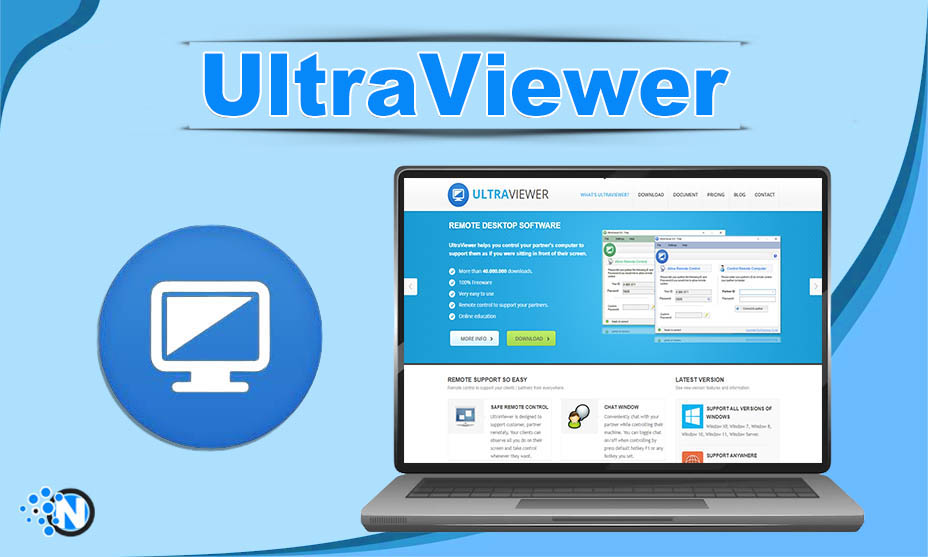
Once the download is complete, click the file in your browser’s download bar (usually at the bottom of the screen) or open your "Downloads" folder and double-click "UltraViewer_Setup.exe". A small window will pop up—this is the installation wizard. You don’t need to change any settings here:
- Click "Next" (the default installation path is fine for most users).
- Click "Next" again (no need to create a desktop shortcut unless you want to—we recommend it for easy access).
- Click "Install" to start the process.
The installation takes just 10 seconds—you’ll see a progress bar that fills up quickly. When it’s done, click "Finish" to launch UltraViewer.
Step 4: Understand the Main Interface
When UltraViewer opens, you’ll see a simple interface with three key elements:
- Your ID: A unique number that identifies your device (share this with others to let them connect to you).
- Your Password: A temporary password (auto-generated) for security (you can change it by clicking "Change Password").
- Partner ID/Password: Fields where you enter the remote device’s ID and password to connect to it.
That’s it! You’re now ready to use UltraViewer’s basic features.
(2) macOS: Simplified Installation for Beginners
If you’re using a Mac, the installation process is just as easy:
- Go to https://ultraviewer-cn.com using Safari.
- Click "Download UltraViewer for Mac" (the website detects your macOS automatically).
- Open the downloaded .dmg file and drag the UltraViewer icon into the "Applications" folder.
- Open UltraViewer from "Applications" and follow the prompts to enable accessibility and screen recording permissions (required for remote control).
- You’re ready to use UltraViewer— the interface is identical to Windows, so you won’t need to learn anything new.
(3) Android/iOS: Mobile Installation for On-the-Go Use
For beginners who want to use UltraViewer on their phone or tablet:
Android:
- Go to "Settings" > "Security" > "More Security Settings" > "Install Unknown Apps" and enable your browser.
- Visit https://ultraviewer-cn.com and tap "Download UltraViewer for Android".
- Tap the downloaded APK file to install (follow on-screen prompts).
- Open UltraViewer and note your ID/password— the mobile interface is simplified for touchscreens, with large buttons for easy navigation.
iOS:
- Open Safari and go to https://ultraviewer-cn.com.
- Tap "Download UltraViewer for iOS" to go to the App Store.
- Tap "Get" to install (authenticate with Face ID/Touch ID).
- Open UltraViewer and grant the required permissions— you’re all set!
III. Essential UltraViewer Skills for Beginners: Step-by-Step Tutorials
Now that you’ve completed the UltraViewer download and installation, let’s dive into the essential skills every beginner needs to master. These simple tutorials will help you handle common remote access scenarios with confidence.
(1) How to Receive Remote Support (e.g., Get Help from a Friend/IT Pro)
This is one of the most common uses for beginners— letting someone else access your device to fix a problem or show you how to do something.
Step 1: Prepare Your Device
Open UltraViewer and make sure your ID and password are visible on the main interface. If you want to set a custom password (easier to remember), click "Change Password" and enter a new one (e.g., your phone number).
Step 2: Share Your Credentials
Tell the person helping you your UltraViewer ID and password. You can send this via text message, email, or phone call— just make sure to share it securely (don’t post it online).
Step 3: Allow the Connection
When the other person tries to connect, you’ll see a pop-up window asking for permission. Click "Allow" to let them access your screen.
Step 4: Monitor the Session
You can watch what the other person is doing on your screen in real time. If you want to take back control at any time, click "Lock Remote Keyboard/Mouse" or "Disconnect" (top-right corner).
Example Scenario:
Your computer is running slowly, and your tech-savvy friend offers to help. You share your UltraViewer ID/password, they connect, and show you how to uninstall unnecessary software and clean up your hard drive— all while explaining each step via voice chat.
(2) How to Connect to Another Device (e.g., Access Your Home Computer from Work)
This skill lets you access your own devices or help someone else (like a family member) with their tech issues.
Step 1: Get the Remote Device’s Credentials
Ask the person on the other end to open UltraViewer and share their ID and password. If you’re accessing your own device (e.g., home computer), make sure UltraViewer is running there and note the ID/password beforehand.
Step 2: Enter the Credentials
On your UltraViewer interface, type the remote ID into the "Partner ID" field and click "Connect". When prompted, enter the remote password and click "OK".
Step 3: Control the Remote Device
Once connected, you can use your mouse and keyboard to control the remote screen. Here are some basic actions you can perform:
- Open files/folders: Double-click to open, just like on your own device.
- Type text: Use your keyboard to type on the remote device (e.g., write an email, edit a document).
- Navigate: Use the remote mouse to click icons, scroll, and open apps.
Step 4: Disconnect When Finished
When you’re done, click "Disconnect" (top-right corner) to end the session. Always disconnect when you’re not using the remote connection to ensure security.
Example Scenario:
You’re at work and need to retrieve a important document from your home computer. You call your family member, ask them to open UltraViewer on your home computer, and share the ID/password. You connect, locate the document, and transfer it to your work computer using the file transfer tool.
(3) How to Transfer Files Between Devices
File transfer is a essential skill for beginners— it lets you share photos, documents, videos, and other files without using email or cloud storage.
Step 1: Connect to the Remote Device
Follow the steps above to establish a remote connection.
Step 2: Open the File Transfer Tool
Click the "File Transfer" icon (it looks like a folder with an arrow) in the control bar at the top of the UltraViewer window. This will open a new window with two panels:
- Left panel: Your local files (on your device).
- Right panel: The remote device’s files.
Step 3: Select and Send Files
- Navigate to the folder containing the file you want to send (left panel).
- Select the file (click once) and click the "Send" button (arrow pointing to the right).
- The file will start transferring— you’ll see a progress bar showing how much time is left.
- To receive files from the remote device, ask the other person to follow the same steps (they’ll select files from their right panel and send them to your left panel).
Pro Tip for Beginners:
If you’re not sure where a file is stored, use the "Search" function (top of the file transfer window) to find it by name.
(4) How to Use Screen Sharing for Meetings/Presentations
Screen sharing is great for virtual meetings, online classes, or showing someone how to do something (e.g., teaching a family member to use a new app).
Step 1: Start Screen Sharing
Open UltraViewer and click "Share Screen" (top-left corner). You’ll have two options:
- "Entire Screen": Share your entire desktop.
- "Application Window": Share only one open app (e.g., Microsoft Word, a web browser).
Select the option that best fits your needs (beginners usually prefer "Entire Screen" for simplicity).
Step 2: Share Your Credentials
UltraViewer will generate a temporary ID and password. Share these with the people you want to join the screen sharing session (e.g., via Zoom, Teams, or text message).
Step 3: Manage the Session
Once others join, you can:
- Talk to them using voice chat (click the "Voice Chat" icon).
- Use annotation tools to draw or write on your screen (click the "Annotation" icon).
- Pause sharing (click "Pause" if you need to do something privately).
- End the session (click "Stop Sharing" when you’re done).
Example Scenario:
You’re attending an online class and need to present a project to your classmates. You use UltraViewer to share your screen, walk them through your presentation, and answer questions via voice chat. The annotation tool lets you highlight key points on your slides.
IV. Beginner-Friendly Use Cases: How to Apply UltraViewer in Daily Life
UltraViewer isn’t just for professionals— it’s a versatile tool that can simplify many aspects of your daily life. Below are practical examples tailored to beginners:
(1) Help Family Members with Tech Issues
- Scenario: Your grandparents can’t figure out how to video call you on their smartphone.
- Solution: Install UltraViewer on their phone (Android/iOS) and your computer. Connect to their device, share your screen to show them how to open the video call app, and use voice chat to guide them through each step. You can even take control of their phone to set up the call for them.
(2) Access Your Home Computer While Traveling
- Scenario: You’re on vacation and need to access a photo album stored on your home computer.
- Solution: Before leaving home, make sure UltraViewer is running on your home computer and note the ID/password. While traveling, use your phone or tablet to connect to your home computer via UltraViewer. Transfer the photos to your mobile device using the file transfer tool— no need to carry a USB drive or rely on cloud storage.
(3) Collaborate on School/Work Projects
- Scenario: You’re working on a group project with classmates/colleagues who live far away.
- Solution: One person shares their screen via UltraViewer, and everyone else joins the session. You can discuss ideas using voice chat, edit the project together in real time, and share files (e.g., research notes, draft documents) without emailing them back and forth.
(4) Troubleshoot Your Own Devices
- Scenario: Your laptop is acting up, and you can’t fix it yourself.
- Solution: Contact a friend or IT support professional and share your UltraViewer ID/password. They can connect to your laptop, diagnose the problem, and fix it remotely— saving you time and money on in-person repairs.
V. Common Mistakes Beginners Make (and How to Avoid Them)
As a beginner, it’s easy to make small mistakes that can affect your UltraViewer experience. Below are the most common pitfalls and how to avoid them:
(1) Downloading from Third-Party Sites
- Mistake: Many beginners search for "UltraViewer download" on Google and click the first result, which is often a third-party site.
- How to Avoid: Always go directly to the official website https://ultraviewer-cn.com to download. Bookmark the site for easy access later.
(2) Sharing Your Password Publicly
- Mistake: Sharing your UltraViewer ID and password on social media or public forums.
- How to Avoid: Only share your credentials with people you trust (e.g., family, friends, colleagues). Change your password after each session if you’re worried about security.
(3) Forgetting to Disconnect
- Mistake: Leaving a remote connection open when you’re not using it.
- How to Avoid: Get in the habit of clicking "Disconnect" as soon as you’re done with a session. This prevents unauthorized access to your device.
(4) Ignoring Permissions
- Mistake: Denying permissions (e.g., screen recording, accessibility) during installation, which breaks core features.
- How to Avoid: Always click "Allow" when UltraViewer asks for permissions— these are necessary for the tool to work properly. If you accidentally denied a permission, you can enable it later in your device’s settings.
(5) Using a Weak Password
- Mistake: Using a simple password (e.g., "123456") that’s easy to guess.
- How to Avoid: Set a strong, unique password for UltraViewer (e.g., a mix of letters, numbers, and symbols). This adds an extra layer of security to your remote sessions.
VI. Conclusion: Start Your Remote Access Journey with Official UltraViewer Download
UltraViewer is the perfect remote access tool for beginners— it’s simple, free, and packed with useful features. By following this tutorial, you’ve learned how to safely complete the UltraViewer download from the official website https://ultraviewer-cn.com, install the software on any device, and master essential skills like remote control, file transfer, and screen sharing.
Whether you’re helping a family member with tech issues, accessing your own devices while traveling, or collaborating on projects with others, UltraViewer makes remote access easy and stress-free. The key to success is starting with a safe, official download— this ensures you have a clean, fully functional version of the software and access to reliable support if you need it.
Don’t be intimidated by remote access tools— UltraViewer is designed for users of all skill levels. With a little practice, you’ll be using it like a pro in no time. Visit https://ultraviewer-cn.com today to download UltraViewer and start enjoying the convenience of seamless remote collaboration!