Windows 11 has become the preferred operating system for millions of users worldwide, thanks to its sleek design, improved performance, and enhanced security features. As remote work and remote support continue to be integral parts of our digital lives, finding a reliable remote control software that is fully compatible with Windows 11 is essential. UltraViewer stands out as a top choice, offering seamless integration with Windows 11, a user-friendly interface, and a range of powerful features—all completely free. This in-depth tutorial focuses on safe UltraViewer download for Windows 11, guiding you through every step from installation to advanced usage, and sharing pro tips to help you maximize efficiency.
Why UltraViewer Is the Ideal Remote Control Tool for Windows 11
Windows 11 users have specific needs when it comes to remote control software—compatibility, speed, security, and ease of use are top priorities. UltraViewer checks all these boxes and more, making it the ideal choice for Windows 11 users. Here’s why:
Seamless Windows 11 Compatibility
UltraViewer is fully optimized for Windows 11, ensuring it runs smoothly without compatibility issues. The latest version (6.6.124) has been tested extensively on Windows 11 devices, with fixes for any bugs that may have affected earlier versions UltraViewer. Whether you’re using a Windows 11 laptop, desktop, or tablet, UltraViewer will integrate seamlessly with the operating system, leveraging Windows 11’s built-in features to enhance performance.
Unlike some remote control software that may require workarounds or updates to run on Windows 11, UltraViewer’s developers have prioritized Windows 11 compatibility, ensuring users can enjoy a hassle-free experience from the moment they complete the UltraViewer download .
Lightweight and Fast Performance
Windows 11 is designed to be fast and efficient, and UltraViewer matches this philosophy with its lightweight design. The software takes up minimal disk space (just 50 MB) and uses fewer system resources than many other remote control tools, ensuring it doesn’t slow down your Windows 11 device UltraViewer. This is particularly important for users with older hardware or devices with limited RAM, as UltraViewer runs smoothly without causing lag or performance issues.
The 2025 version of UltraViewer also includes performance improvements like faster jumping to positions on the remote screen and improved connection speeds, making remote control sessions on Windows 11 even more efficient UltraViewer.
Enhanced Security Features
Windows 11 places a strong emphasis on security, and UltraViewer complements this with its own robust security measures. The software includes features like captcha verification for connections, random password generation (minimum 5 digits), connection logs, and the ability to reject and log unauthorized access attempts UltraViewer. These features work alongside Windows 11’s built-in security tools (such as Windows Defender and BitLocker) to provide a secure remote control experience, protecting your data and privacy.
For Windows 11 users who are concerned about security—whether for personal use or business—UltraViewer’s security features offer peace of mind, ensuring that remote connections are safe and protected from unauthorized access.
User-Friendly Interface for Windows 11
UltraViewer’s interface is designed to be intuitive and easy to use, even for users who are new to remote control software. The clean, modern design aligns with Windows 11’s aesthetic, making it feel like a native app. All key features—such as connecting to a remote computer, transferring files, and using the chat function—are easily accessible from the main interface, with large buttons and clear labels UltraViewer.
Windows 11 users will appreciate the familiar layout, which minimizes the learning curve and allows them to start using UltraViewer immediately after installation. For more advanced users, the settings menu is organized logically, making it easy to customize UltraViewer to suit specific needs UltraViewer.
Free Access to Core Features
Perhaps one of the biggest advantages of UltraViewer for Windows 11 users is that it offers all core features completely free of charge. Unlike some premium remote control tools that require a subscription or one-time fee to access essential features, UltraViewer allows Windows 11 users to initiate remote connections, transfer files, use the chat function, and access advanced features like switch-side control and lock screen—all without paying a cent .
This makes UltraViewer an affordable option for individuals, small businesses, and organizations that need reliable remote control software but don’t want to invest in expensive solutions.
Safe UltraViewer Download for Windows 11: Step-by-Step Guide
Downloading software safely is crucial to protect your Windows 11 device from malware, viruses, and other security threats. This step-by-step guide will walk you through the safe UltraViewer download process for Windows 11, ensuring you get the latest, legitimate version of the software.
Step 1: Prepare Your Windows 11 Device
Before starting the UltraViewer download, take a few minutes to prepare your Windows 11 device:
- Update Windows 11: Ensure your operating system is up to date. Go to “Settings” > “Windows Update” > “Check for updates” and install any available updates. This ensures you have the latest security patches and compatibility fixes .
- Scan for Malware: Run a full scan with Windows Defender or your preferred antivirus software to ensure your device is free of malware. A clean device will prevent any issues during the download and installation process.
- Free Up Disk Space: Ensure you have at least 50 MB of free disk space. Delete any unnecessary files or apps to free up space if needed .
- Close Unnecessary Programs: Close any apps or programs that are not in use to free up system resources. This will make the download and installation process faster and smoother.
Step 2: Access the Official UltraViewer Website
The safest way to download UltraViewer for Windows 11 is from the official website. Follow these steps:
- Open Microsoft Edge (the default browser on Windows 11) or your preferred web browser.
- In the address bar, type “https://www.ultraviewer.net” and press Enter. This will take you to the official UltraViewer homepage.
- Once the page loads, look for the “Free Download” button. On the official website, this button is prominently displayed at the top of the page, making it easy to find UltraViewer.
Important Note: Never download UltraViewer from third-party websites or links shared via email or social media. These sources may offer modified versions of the software that contain malware, adware, or viruses, which can compromise your Windows 11 device’s security .
Step 3: Initiate the UltraViewer Download for Windows 11
Click on the “Free Download” button to start the download. The official UltraViewer website will automatically detect that you’re using Windows 11 and provide the correct version of the software (6.6.124 as of 2025) UltraViewer. Here’s what to expect:
- The download will start immediately. If it doesn’t, click the “Retry” button or check your browser’s pop-up blocker (some browsers may block the download by default—enable pop-ups for the official UltraViewer website to proceed).
- The download file size is approximately 5-10 MB, so it should complete quickly even with a moderate internet connection.
- You can monitor the download progress in your browser’s download manager. In Microsoft Edge, this is located at the bottom of the window—you’ll see a progress bar and the file name (e.g., “UltraViewer_6.6.124_setup.exe”).
Step 4: Verify the Downloaded File
Once the UltraViewer download is complete, it’s important to verify the file to ensure it’s not corrupted or tampered with:
- Navigate to the “Downloads” folder on your Windows 11 device (press Windows + E and select “Downloads” from the left sidebar).
- Locate the downloaded file (usually named “UltraViewer_6.6.124_setup.exe”).
- Right-click on the file and select “Properties.”
- In the Properties window, go to the “Details” tab and check the “File version” to ensure it’s 6.6.124 (the latest version as of 2025).
- You can also check the file size to ensure it matches the size listed on the official UltraViewer website (around 5-10 MB).
If the file version or size doesn’t match, delete the file and re-run the UltraViewer download from the official website. A mismatched file may be corrupted or an outdated version.
Step 5: Install UltraViewer on Windows 11
Now that you’ve verified the downloaded file, it’s time to install UltraViewer on your Windows 11 device. Follow these steps for a smooth installation:
- Double-click on the downloaded file (“UltraViewer_6.6.124_setup.exe”) to launch the setup wizard.
- A User Account Control (UAC) prompt will appear, asking “Do you want to allow this app to make changes to your device?” Click “Yes” to proceed .
- The UltraViewer setup wizard will open. Select your preferred language from the dropdown menu (UltraViewer supports multiple languages, including English, French, German, and Japanese) and click “OK.”
- Read the end-user license agreement carefully. To continue, check the box next to “I accept the agreement” and click “Next.”
- Choose the installation location. The default folder is “C:\Program Files (x86)\UltraViewer,” which is suitable for most users. If you want to install it in a different folder, click “Browse” and select your preferred location. Click “Next.”
- Select additional tasks:
- “Create a desktop shortcut”: Check this box to add a UltraViewer shortcut to your Windows 11 desktop for easy access.
- “Add UltraViewer to startup”: Check this box if you want UltraViewer to launch automatically when you start your computer (useful for frequent users).Click “Next” after selecting your preferences.
- Click “Install” to begin the installation. The progress bar will show you how much of the installation is complete. This process takes less than a minute.
- Once the installation is complete, the setup wizard will display a “Completing the UltraViewer Setup Wizard” screen. Check the box next to “Launch UltraViewer” to open the software immediately and click “Finish.”
Step 6: Configure UltraViewer for Windows 11
After launching UltraViewer, you’ll need to configure a few settings to optimize it for Windows 11:
- The main UltraViewer interface will open, displaying your unique ID and a random password. Take a moment to note these down (or save them to the address book) if you’ll be allowing others to connect to your computer.
- Click the “Settings” button (gear icon) in the top-right corner of the interface to open the settings menu.
- Go to “Display” and adjust the “DPI scaling” setting to “Auto” to ensure UltraViewer matches your Windows 11 display settings. This prevents the interface from appearing too small or too large.
- Go to “Hotkeys” and customize the hotkeys to your preference. Windows 11 has its own default hotkeys, so choose hotkeys that don’t conflict with system functions (e.g., avoid using Windows + Ctrl + S, which is used for taking screenshots in Windows 11).
- Go to “Security” and ensure “Captcha verification” and “Random password” are enabled. These features enhance security and prevent unauthorized access.
- Click “OK” to save your settings.
Your UltraViewer is now installed and configured for Windows 11, and you’re ready to start using it for remote control.
Using UltraViewer on Windows 11: Essential Operations
Now that you’ve completed the safe UltraViewer download and installation, let’s explore the essential operations you’ll need to use UltraViewer effectively on Windows 11.
Connecting to a Remote Computer
Connecting to a remote computer with UltraViewer on Windows 11 is simple:
- Ask the user of the remote computer to install UltraViewer (if they haven’t already) and share their ID and password with you. They can find this information on their UltraViewer main interface UltraViewer.
- On your Windows 11 device, open UltraViewer and enter the remote user’s ID in the “Partner ID” field and their password in the “Password” field.
- Double-check the information to ensure there are no typos (incorrect ID or password is the most common reason for connection failures) and click the “Connect” button.
- The remote user will receive a prompt asking for permission to allow the connection. They need to click “Allow” to grant access.
- Once the connection is established, you’ll see the remote computer’s screen in a window on your Windows 11 device. You can resize the window or switch to full-screen mode by clicking the “Full Screen” button in the UltraViewer toolbar.
Navigating the Remote Screen on Windows 11
Controlling the remote computer’s screen from your Windows 11 device is intuitive:
- Mouse Control: Move your mouse cursor as you normally would—this will control the cursor on the remote screen. Clicking, double-clicking, and right-clicking work the same way as on your local device.
- Keyboard Control: Use your Windows 11 keyboard to type on the remote computer. All keys work as expected, including function keys (F1-F12) and shortcut keys (e.g., Ctrl + C, Ctrl + V).
- Scrolling: Use your mouse scroll wheel to scroll up and down on the remote screen.
- Zoom In/Out: Use the “Zoom” buttons in the UltraViewer toolbar to zoom in on specific areas of the remote screen for better visibility.
Using the Chat Feature
The built-in chat feature allows you to communicate with the remote user without needing a separate messaging app. Here’s how to use it on Windows 11:
- During a remote session, press the F1 key (default hotkey) to open the chat window UltraViewer.
- Type your message in the text box at the bottom of the window.
- Press Enter to send the message. The remote user will see the message in their chat window.
- To close the chat window, press F1 again or click the “X” button in the top-right corner of the chat window.
You can customize the chat hotkey by going to “Settings” > “Hotkeys” > “Chat” and selecting a new key combination.
Transferring Files Between Windows 11 Devices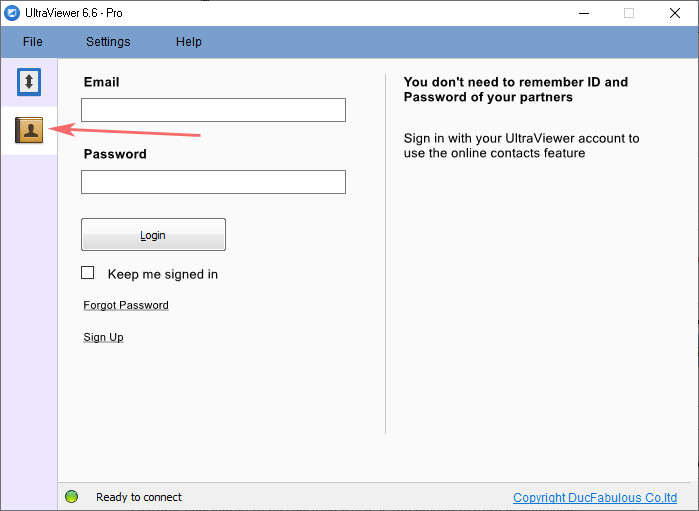
UltraViewer makes it easy to transfer files between your Windows 11 device and the remote computer:
- During a remote session, click the “File Transfer” button in the UltraViewer toolbar (or use the Ctrl + F hotkey) to open the file transfer window.
- The file transfer window is split into two panes: the left pane shows files on your local Windows 11 device, and the right pane shows files on the remote computer.
- To send a file from your local device to the remote computer:
- Navigate to the file in the left pane.
- Select the file by clicking on it.
- Click the “Send” button (arrow pointing to the right) or drag and drop the file into the right pane.
- To receive a file from the remote computer to your local Windows 11 device:
- Navigate to the file in the right pane.
- Select the file by clicking on it.
- Click the “Receive” button (arrow pointing to the left) or drag and drop the file into the left pane.
- The transfer progress will be displayed in the bottom of the file transfer window. Once the transfer is complete, you’ll see a “Transfer successful” message.
UltraViewer supports transferring multiple files at once, and you can pause or cancel transfers at any time.
Ending a Remote Session
To end a remote session safely:
- Click the “Disconnect” button in the UltraViewer toolbar (or use the Ctrl + D hotkey).
- Alternatively, you can close the UltraViewer window by clicking the “X” button in the top-right corner.
- The remote user will receive a notification that the session has ended.
It’s important to end the session when you’re done to prevent unauthorized access, especially if you’re using a public or shared Windows 11 device.
Advanced UltraViewer Tips for Windows 11 Users
To take your UltraViewer experience on Windows 11 to the next level, try these advanced tips and tricks. These features will help you work more efficiently and customize UltraViewer to your specific needs.
Using Switch-Side Control
The switch-side control feature allows you to transfer control of the remote session to the other user (or vice versa). This is useful if you need the remote user to perform a task on your Windows 11 device or if you want to let them take over the session temporarily UltraViewer. Here’s how to use it:
- During a remote session, click the “Switch” button in the UltraViewer toolbar (or use the assigned hotkey).
- A prompt will appear asking if you want to switch control. Click “Yes” to confirm.
- The remote user will receive a notification that control has been transferred. They can now control your Windows 11 device, while you can control theirs (or vice versa).
- To switch control back, click the “Switch” button again and confirm.
Setting Up Unattended Access
If you need to access your own Windows 11 device remotely (e.g., when you’re away from home or the office), you can set up unattended access. This allows you to connect to your device without needing someone to grant permission. Here’s how:
- On your Windows 11 device, open UltraViewer and go to “Settings” > “Security.”
- Check the box next to “Set a fixed password for unattended access.”
- Enter a strong password (at least 8 characters, including letters, numbers, and special characters) and confirm it.
- Click “OK” to save the settings.
- Note down your UltraViewer ID and the fixed password.
- On the remote device (e.g., your laptop or phone), install UltraViewer and enter your Windows 11 device’s ID and fixed password.
- Click “Connect” to access your Windows 11 device remotely without needing permission.
Security Tip: Choose a strong, unique password for unattended access and change it regularly to prevent unauthorized access.
Using the Lock Screen Feature
The lock screen feature allows you to lock the remote computer’s screen during a session, preventing the remote user from accessing their device while you’re in control UltraViewer. This is useful for maintaining privacy when working on sensitive tasks. Here’s how to use it on Windows 11:
- During a remote session, click the “Lock Screen” button in the UltraViewer toolbar.
- The remote computer’s screen will lock, and the user will need to enter their Windows password to unlock it (even if they weren’t using a password before).
- To unlock the screen, click the “Unlock Screen” button in the UltraViewer toolbar.
Customizing Display Settings for Windows 11
UltraViewer allows you to customize display settings to match your Windows 11 device’s screen resolution and preferences. Here’s how:
- Go to “Settings” > “Display.”
- Screen Resolution: Select the resolution that matches your Windows 11 device’s screen resolution for the best viewing experience.
- Image Quality: Adjust the image quality (Low, Medium, High) based on your internet connection. If you have a slow internet connection, select Low or Medium to reduce lag.
- Full-Screen Mode: Enable “Auto-full screen when connecting” to automatically switch to full-screen mode when a remote session starts.
- Individual Display Settings: If you regularly connect to multiple remote devices, enable “Save individual display settings” to save custom settings for each device UltraViewer.
Using the Auto-Restart Feature
If UltraViewer gets stuck at the “Getting ID” stage (a rare issue), the auto-restart feature can resolve it automatically UltraViewer. Here’s how to enable it on Windows 11:
- Press Windows + R to open the Run dialog box.
- Type “regedit” and press Enter to open the Registry Editor.
- Navigate to: HKEY_LOCAL_MACHINE\SOFTWARE\WOW6432Node\UltraViewer.
- Right-click in the right pane and select “New” > “DWORD (32-bit) Value.”
- Name the value “AutoRestartIfCannotConnect.”
- Double-click the value and set the data to “1” (enable) or “0” (disable).
- Close the Registry Editor and restart UltraViewer.
This feature ensures that you don’t have to manually restart UltraViewer when encountering connection issues, saving time and frustration.
Troubleshooting UltraViewer Issues on Windows 11
While UltraViewer is fully compatible with Windows 11, you may encounter occasional issues. This section covers the most common problems and their solutions, specifically for Windows 11 users.
Issue 1: UltraViewer Doesn’t Launch on Windows 11
If UltraViewer fails to launch after installation, try these solutions:
- Run as Administrator: Right-click on the UltraViewer desktop shortcut and select “Run as administrator.” This ensures the software has the necessary permissions to run on Windows 11.
- Check for Compatibility Mode: Windows 11 may run older software in compatibility mode, which can cause issues. Right-click on the UltraViewer shortcut, select “Properties,” go to the “Compatibility” tab, and uncheck “Run this program in compatibility mode for.” Click “Apply” and “OK.”
- Reinstall UltraViewer: If the software still doesn’t launch, uninstall it (go to “Settings” > “Apps” > “Apps & features” > select “UltraViewer” > click “Uninstall”) and re-run the UltraViewer download and installation from the official website.
Issue 2: Remote Session Is Laggy on Windows 11
Lag during remote sessions is usually caused by a slow internet connection or high system resource usage. Here’s how to fix it:
- Reduce Image Quality: Go to “Settings” > “Display” > “Image Quality” and select “Low” or “Medium.” This reduces the amount of data being transferred, improving speed.
- Close Background Apps: On your Windows 11 device, press Ctrl + Shift + Esc to open Task Manager. Close any apps that are using a lot of CPU, RAM, or network resources (e.g., video streaming apps, cloud storage apps).
- Use a Wired Connection: If you’re using Wi-Fi, switch to a wired Ethernet connection. Wired connections are more stable and faster than Wi-Fi, reducing lag.
- Update Network Drivers: Outdated network drivers can cause lag. Go to “Device Manager” > “Network adapters” > right-click on your network adapter > select “Update driver.”
Issue 3: Windows 11 Firewall Blocks UltraViewer
Windows 11 Firewall may block UltraViewer’s connection by default. Here’s how to allow UltraViewer through the firewall:
- Go to “Settings” > “Privacy & security” > “Windows Security” > “Firewall & network protection.”
- Click “Allow an app through firewall.”
- Click “Change settings” (you may need to enter your administrator password).
- Scroll down the list of apps and look for “UltraViewer.” If it’s not listed, click “Allow another app” > “Browse” > navigate to the UltraViewer installation folder (usually “C:\Program Files (x86)\UltraViewer”) > select “UltraViewer.exe” > click “Add.”
- Check the boxes next to “Private” and “Public” for UltraViewer to allow connections on both private and public networks.
- Click “OK” to save the settings.
Issue 4: File Transfer Fails on Windows 11
If you’re unable to transfer files, try these solutions:
- Check File Permissions: Ensure the file you’re trying to transfer isn’t read-only. Right-click on the file, select “Properties,” and uncheck “Read-only” if it’s enabled.
- Use a Different Destination Folder: On the remote computer, try saving the file to the Desktop or Documents folder instead of a restricted folder (e.g., Program Files).
- Disable Antivirus Temporarily: Some antivirus programs may block file transfers. Temporarily disable your antivirus software and try transferring the file again (remember to re-enable it afterward).
Issue 5: UltraViewer Crashes on Windows 11
If UltraViewer crashes during use, follow these steps:
- Update UltraViewer: Ensure you’re using the latest version (6.6.124). Go to “Settings” > “About” > “Check for updates” to download and install any available updates UltraViewer.
- Update Windows 11: Outdated Windows 11 updates can cause software crashes. Go to “Settings” > “Windows Update” > “Check for updates” and install any available updates.
- Check for Malware: Run a full scan with Windows Defender to ensure your device is free of malware, which can cause software crashes.
Pro Tips for Maximizing Efficiency with UltraViewer on Windows 11
To get the most out of UltraViewer on Windows 11, follow these pro tips:
Use Keyboard Shortcuts
Keyboard shortcuts can save you time and make remote sessions more efficient. Here are some essential UltraViewer shortcuts for Windows 11:
- Ctrl + F: Open file transfer window.
- Ctrl + D: Disconnect from the remote session.
- F1: Open/close chat window.
- Ctrl + Alt + F: Toggle full-screen mode.
- Ctrl + Alt + Z: Zoom in/out.
You can customize these shortcuts by going to “Settings” > “Hotkeys.”
Save Frequently Used IDs to the Address Book
If you regularly connect to the same remote computers (e.g., work colleagues’ devices or your home computer), save their IDs and passwords to the UltraViewer address book:
- Click the “Address Book” button in the main interface.
- Click “Add” to create a new entry.
- Enter a name for the entry (e.g., “Work Laptop”), the partner’s ID, and password.
- Click “Save” to add the entry to the address book.
- To connect to the device later, simply select the entry from the address book and click “Connect.”
Use Multiple Instances of UltraViewer
Windows 11 allows you to run multiple instances of UltraViewer, which is useful if you need to control multiple remote computers at once. Here’s how:
- Open UltraViewer normally.
- Press Ctrl + N to open a new instance of UltraViewer.
- Repeat to open additional instances.
Each instance will have its own interface, allowing you to connect to a different remote computer in each. The latest version of UltraViewer has fixed a bug that caused errors when running multiple instances on low-RAM devices, so this feature works smoothly on Windows 11 UltraViewer.
Schedule Remote Sessions
If you need to connect to a remote computer at a specific time, use Windows 11’s Task Scheduler to launch UltraViewer automatically:
- Press Windows + S, type “Task Scheduler,” and open it.
- Click “Create Basic Task” in the right pane.
- Follow the wizard to set a name, trigger (e.g., daily at 9 AM), and action (e.g., start a program).
- For the program/script, browse to the UltraViewer installation folder and select “UltraViewer.exe.”
- Click “Finish” to create the task.
This is useful for regular remote support sessions or accessing your home computer at specific times.
Back Up UltraViewer Settings
If you’ve customized UltraViewer’s settings to your preference, back them up to avoid losing them if you reinstall the software or switch to a new Windows 11 device:
- Press Windows + R, type “regedit,” and press Enter.
- Navigate to: HKEY_CURRENT_USER\Software\UltraViewer.
- Right-click on the “UltraViewer” folder and select “Export.”
- Choose a location to save the backup file (e.g., Documents) and click “Save.”
- To restore the settings later, double-click the backup file and click “Yes” to confirm.
Conclusion
UltraViewer is the perfect remote control solution for Windows 11 users, offering seamless compatibility, robust security features, user-friendly design, and free access to core functions. By following the safe UltraViewer download guide, you can ensure your Windows 11 device is protected while getting the latest version of the software. From basic operations like connecting to a remote computer and transferring files to advanced features like switch-side control and unattended access, UltraViewer has everything you need to stay connected and productive.
The tips and troubleshooting solutions provided in this tutorial will help you resolve any issues quickly and maximize efficiency, whether you’re using UltraViewer for personal use, remote work, or tech support. Remember to keep UltraViewer updated to access the latest features and security patches, and always download from the official website to ensure safety.
With UltraViewer and Windows 11, remote control has never been easier or more reliable. Whether you’re connecting with family, collaborating with colleagues, or accessing your own devices from afar, UltraViewer provides a seamless, secure, and efficient experience.